Telling A
better story
A Cross-Media

In session with
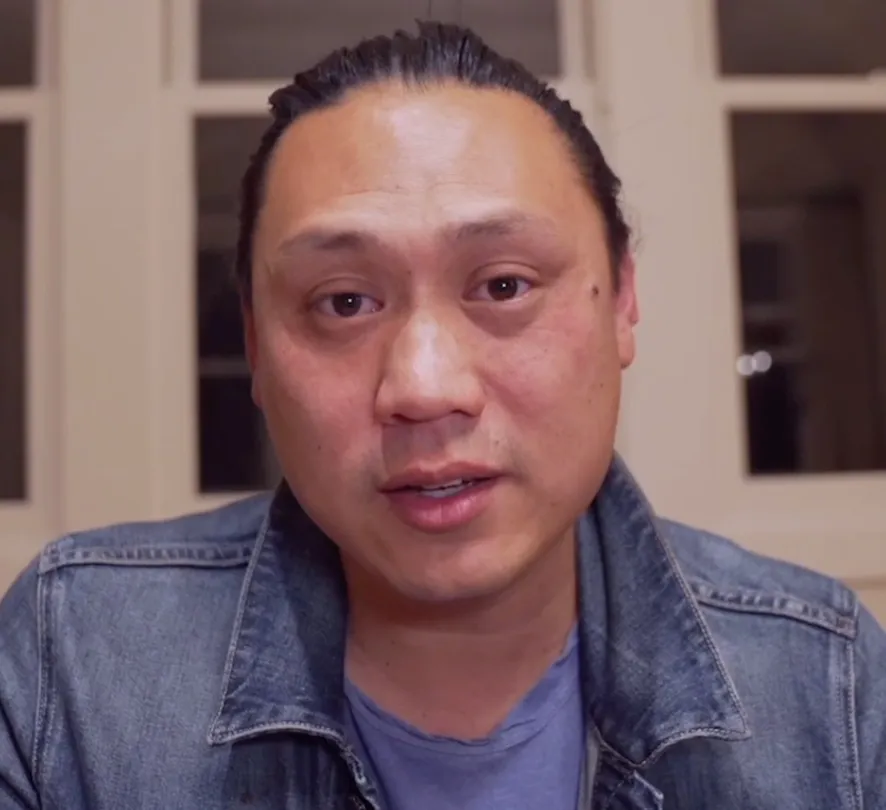
Jose Antonio Vargas




Meet your Guide


Key Learnings
Curiosity Is a Practice.
Being a storyteller means asking questions without fear of the answers. Curiosity is how we find truth, build empathy, and create entry points for people who’ve never seen themselves—or others—fully represented.
Journalism Was the First Social Media.
Reporters were the original influencers, shaping how people viewed their communities and the world around them. Today, every creator holds that same power. The question isn’t just what story will you tell, but what story will you make real for others?
Write Yourself In, Without Permission.
Jose’s journey as an undocumented reporter is a reminder that telling your own story is a radical act of belonging. Whether you're behind the camera, on stage, or on screen, storytelling is how we claim space in America's unfinished narrative.
The Power of Now
Key Learnings
Always Start With Your Audience.
Great stories meet people where they are. Whether you’re writing an article, making a video, or producing a podcast, center your audience’s worldview—what they care about, fear, or hope for—and craft your entry point from there. Before you tell a story, ask: Who is this for? What do they value? What do they fear?.
→ Explore: Move Them or Lose Them Part 1 and Part 2, for tips on how to engage the Moveable Middle
Use Culture as a Bridge.
Culture is the doorway to connection. Food, family, faith, sports, music—these shared touchpoints humanize immigration stories and make them universally relatable.
Tell Stories That Empower.
Both immigrants and allies can move hearts and minds by utilizing agency, humor, and hope to replace feelings of victimhood and fear. Positive, multidimensional stories remind audiences that immigrants are not just subjects of policy; they are driving American culture.
Our Moment
Key Learnings
Curiosity Is the Key to Breaking Stereotypes.
When we ask the questions others avoid, we move beyond clichés and caricatures. Curiosity reveals complexity, and it is this complexity that makes stories human, not headlines.
Positivity Opens Doors
Lead with hope and optimism, even when addressing hard or polarizing issues. Positivity fosters trust, reduces defensiveness, and encourages audiences to remain open to new ideas and perspectives.
Think Like A Journalist
Journalists don’t settle for surface answers—they dig deeper. Adopt this mindset to find the untold stories and unseen perspectives that humanize immigrants and add depth to our shared narrative.
→ Explore: Resources for Journalists
About

Expert Insights


Say What You Mean
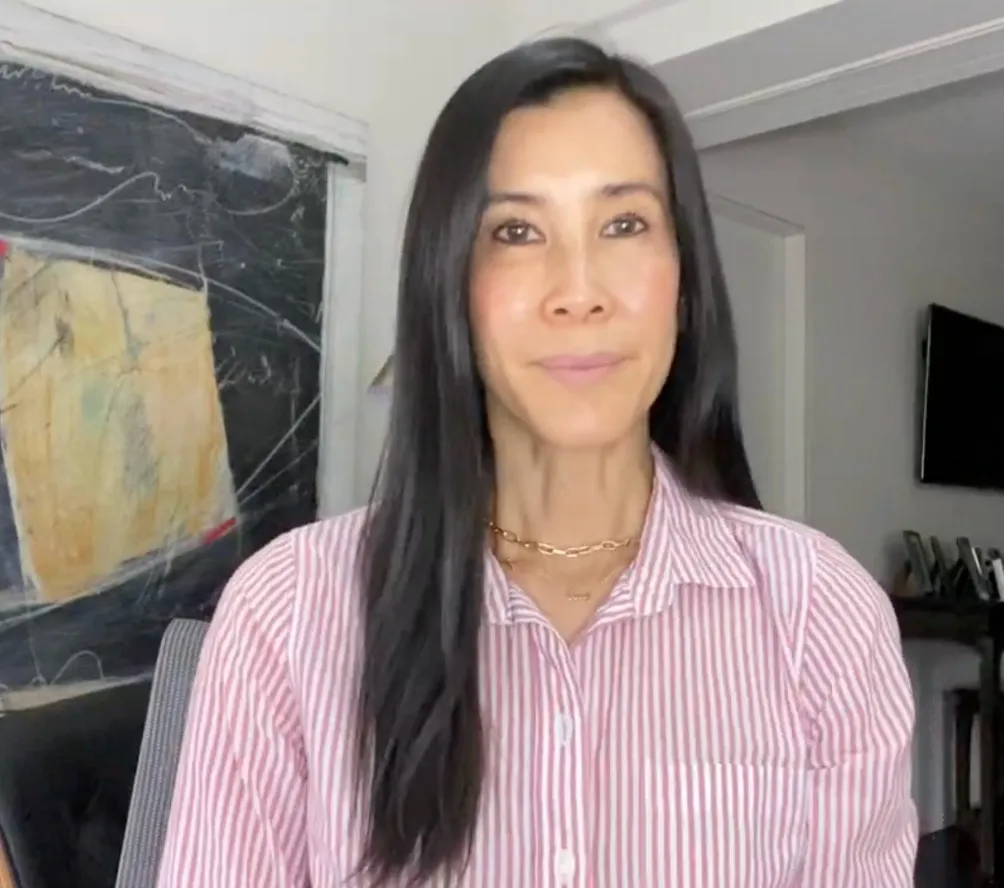
Dulce Valencia breaks down key terms from Define American's Media Reference Guide, giving you the tools to speak with clarity, confidence, and care when telling immigrant stories.

Content Creators As Messengers
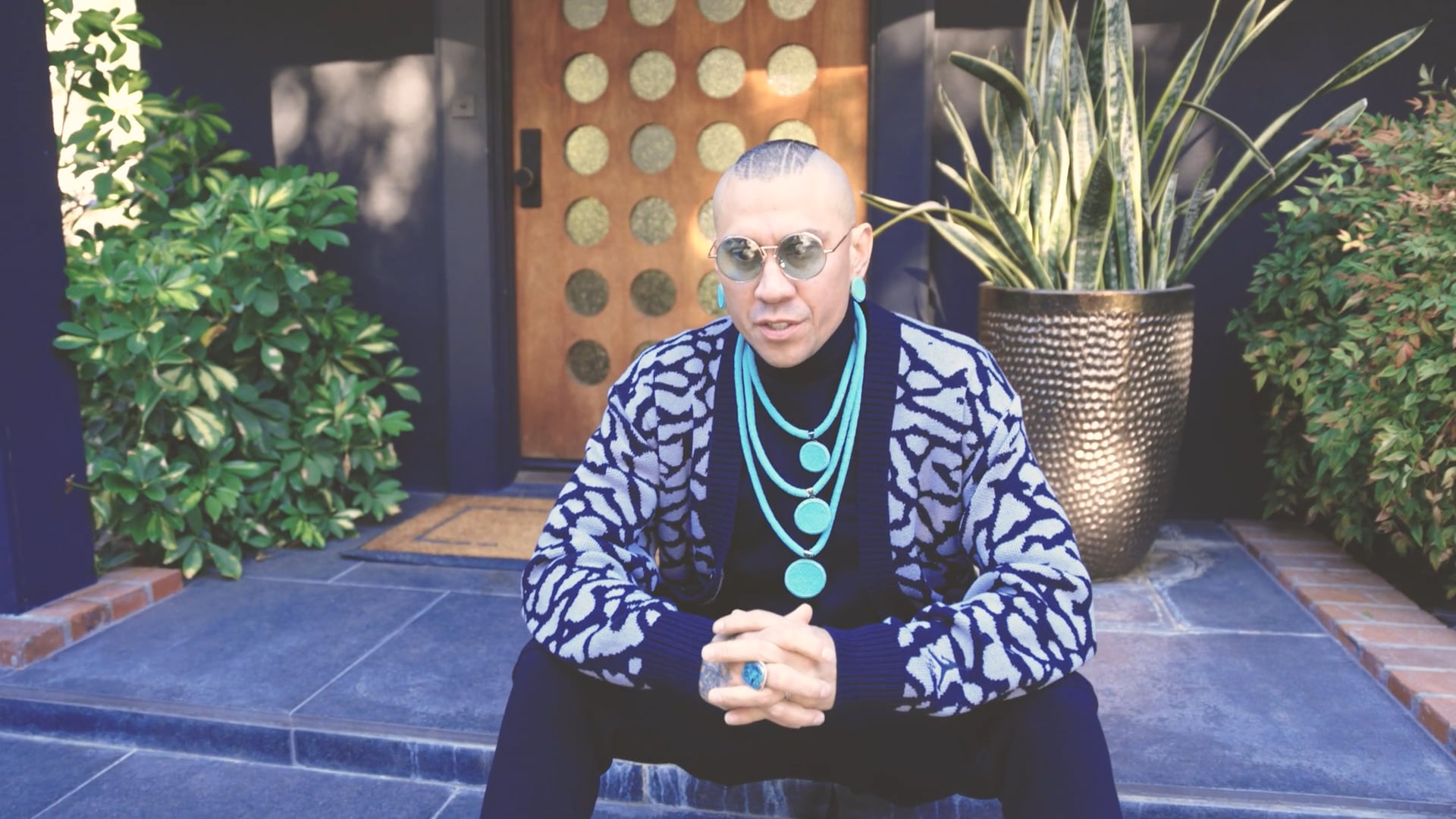
Jay Gonzalez breaks down how content creation is an effective method for storytelling.

The power to move the
middle

They are
Social rule-followers, interested in culture and invested in their local communities.
Do's
- Lean into culture
- Be personal and conversational
- Empower and inspire to action
- Use multiple presenters
Dont's
- Leave things open-ended or unresolved
- Feature distrust in leaders or broken systems
- Forget about the importance of spirituality
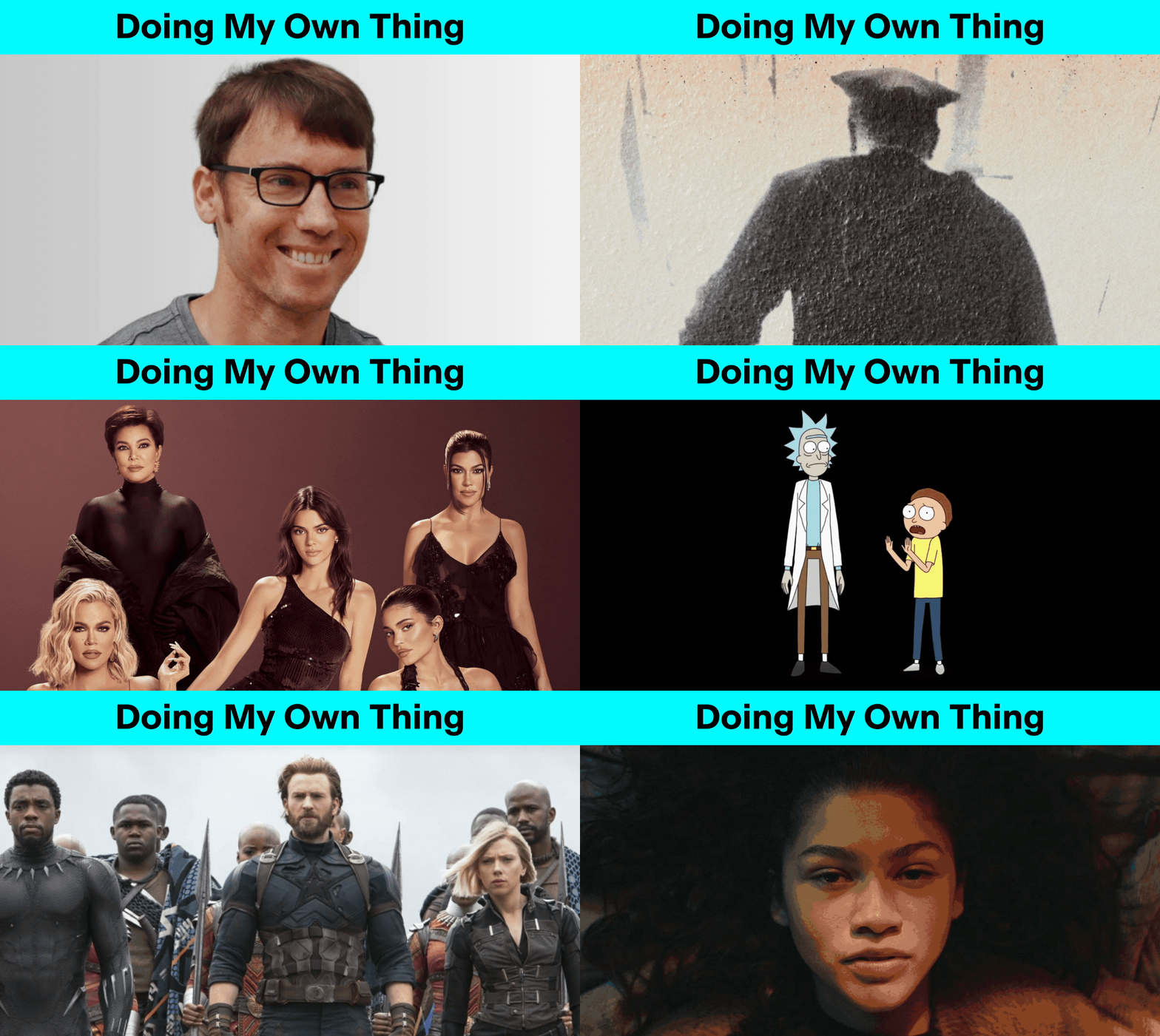
They are
Autonomous pleasure-seekers interested in fun, play, relaxation, personal growth, and fandoms.
Do's
- Give a vision of a fun and free future
- Feature international appeal
- Show creating change as rebellion against the status quo
Dont's
- Expect them to be motivated by community goals
- Tell them what to do or think

They are
Church-goers who respect authority and are interested in helping others.
They Do
- State the problem and the solution
- Show who is in charge and how they bring order and safety
- Feature families, groups and communities
Dont's
- Leave things open-ended or unresolved
- Feature distrust in leaders or broken systems
- Forget about the importance of spirituality

They are
DIY go-getters, interested in action and practical solutions.
Do's
- Use messengers with a Maverick vibe
- Give practical actions
- Emphasize individual action as a path to greater respect and acknowledgement
Dont's
- Talk to them like they are part of a crowd
- Forget about their need to lead
- Underestimate their interest in morally complex characters or storylines
We Define American