
We develop
narrative
Change strategies
About
StoryLab


Why Us. Why Now.
Designed for filmmakers, TV writers, digital creators, journalists, researchers, and advocates, StoryLab leverages Define American’s years of research and media expertise to provide practical tools for impact.
Through interactive lessons, video masterclasses, and downloadable guides, users will learn how to craft stories that move audiences, challenge misinformation, and foster a sense of belonging.
By blending data, creativity, and real-world insight, StoryLab empowers the next generation of storytellers to craft a more comprehensive and authentic American story—one where everyone belongs.
About
Define American



Define American is an award-winning media advocacy organization and go-to resource for storytelling on immigrant experiences across film, TV, theater, publishing, and digital media.
Define American engages storytellers and equips them with research and resources to combat harmful narratives and tell nuanced, authentic immigrant stories.
Founded in 2011 by Pulitzer Prize-winning journalist and Tony and Emmy-nominated producer Jose Antonio Vargas, Define American continues to redefine the conversation around immigration and identity, fostering a greater sense of belonging for immigrants in the U.S.
Follow us

Immigration 101: A Story of America
This is the story of who we are, how we got here, and where we're headed.


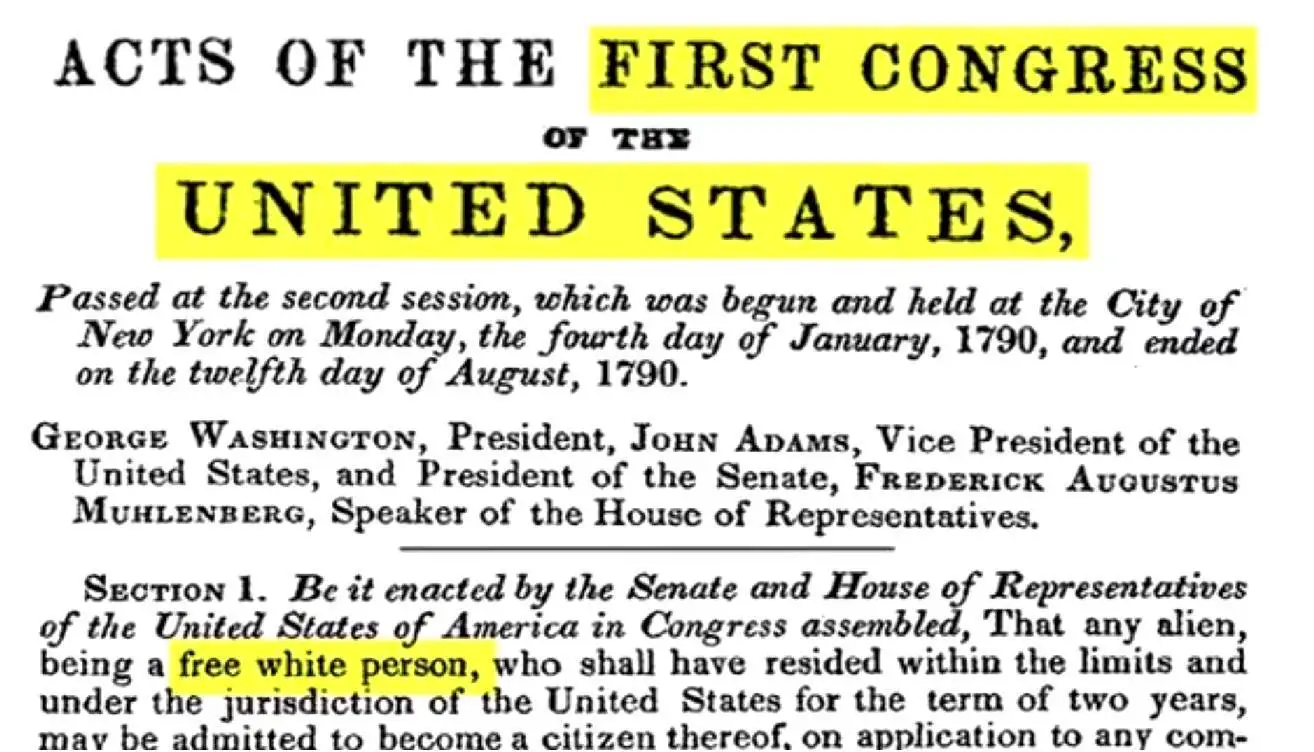
1790
—
This was the first law to establish standards and procedures by which immigrants became U.S. citizens. This was a "whites only" law that limited access to U.S. citizenship to people from Western European countries.
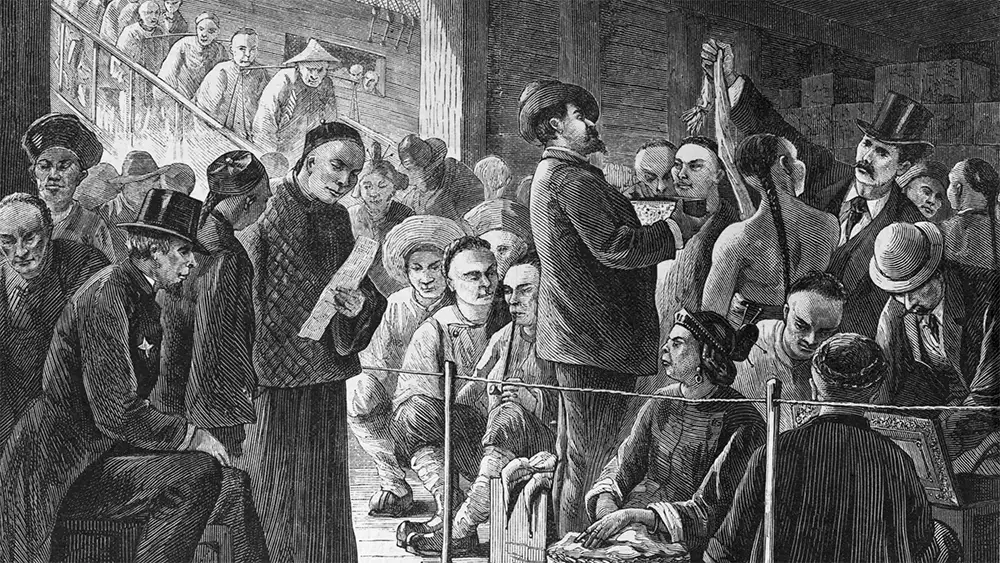
1875
—
This law barred immigrants from entering the United States for "lewd and immoral" purposes. Although the text of the law is neutral, the law was intended to target and exclude Chinese women. It was therefore the first anti-Asian immigration law.
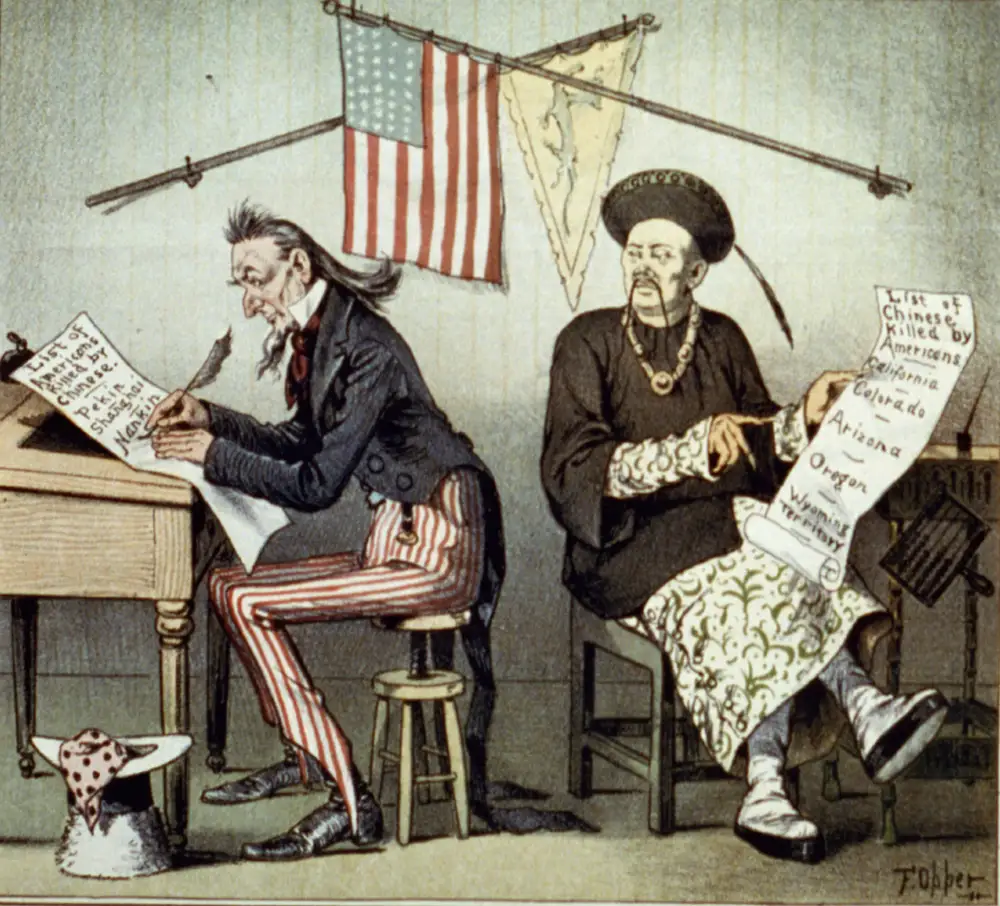
1882
—
This law targeted Chinese immigrants for restriction—the first group explicitly identified by race and class for severely limited legal entry and ineligibility for citizenship.
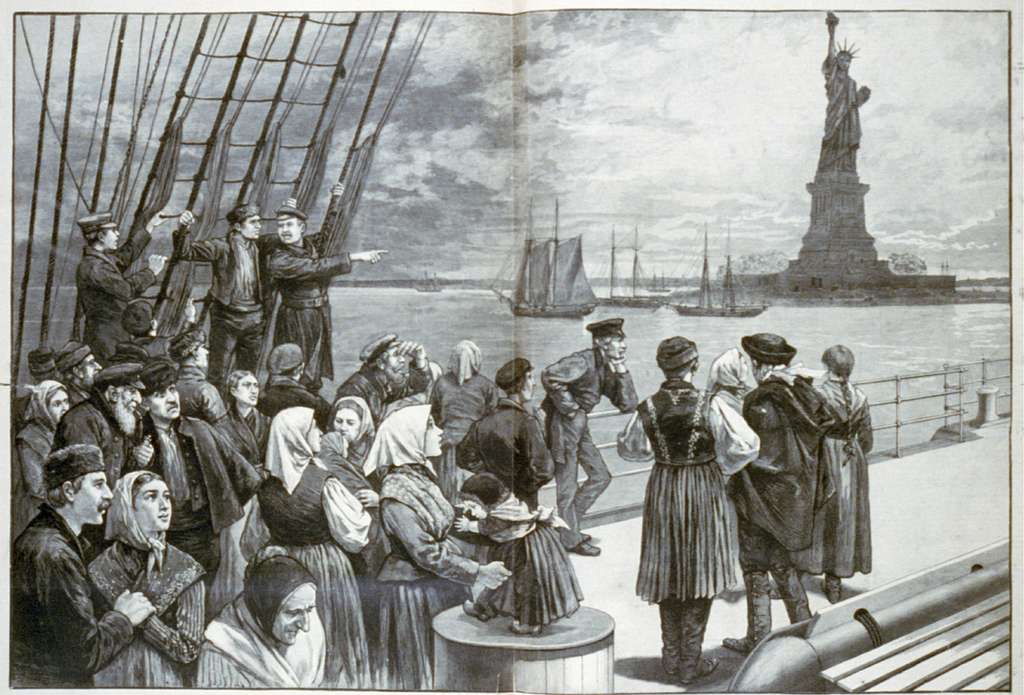
1882
—
Expanded the ranks of excludable immigrants to include people considered "convicts," "lunatics," and "likely to become a public charge."
1917
—
In passing the Immigration Act of 1917, Congress extended the Chinese Exclusion Act to most Asians by designating an "Asiatic Barred Zone" and banning most Asians from immigrating to the United States. People from Japan were the only nationals allowed to continue immigrating.
1924
—
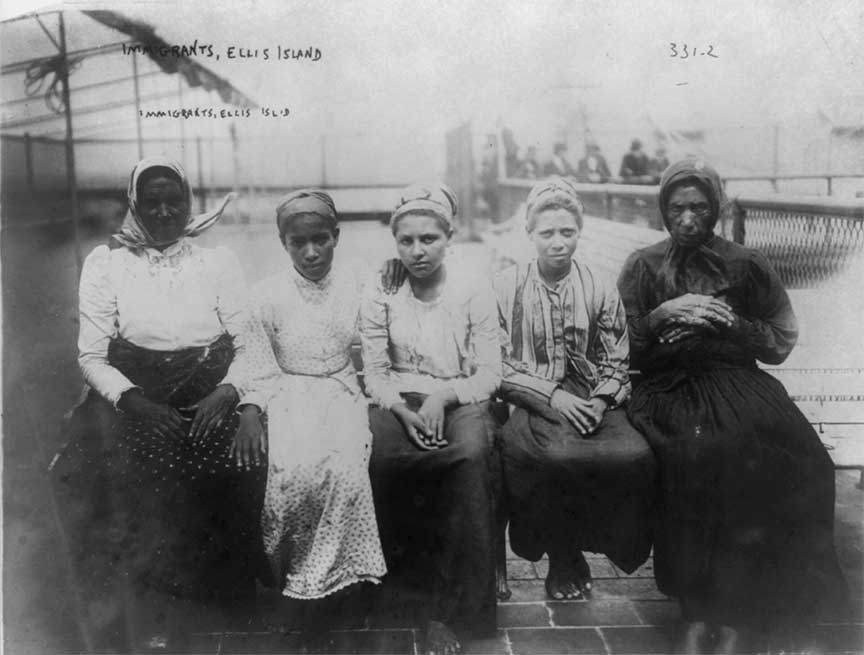
To further limit immigration, this law established extended "national origins" quotas, a highly restrictive and quantitatively discriminatory system, and banned immigrants who are racially not allowed to become naturalized citizens. The quota system remained the primary means of determining immigrants' admissibility to the United States until 1965. The racial restriction on citizenship remained in place until 1952 (with exceptions for some Asian groups beginning in the 1940s).

1948
—
U.S. Congress enacts the “Displaced Persons Act of 1948” following the admission of more than 250,000 displaced Europeans from World War II. Technical cut-off dates precluded the issuance of visas to 90 percent of the displaced Jews who entered Germany, Austria and Italy.

1952
—
Congress passed the Immigration and Nationality Act (INA), which repealed racial restrictions on naturalization.

1965
—
The Immigration and Nationality Act of 1965 (Hart-Celler Act) set the main principles for immigration regulation that are still enforced today. It applied a system of preferences for family reunification (75 percent), employment (20 percent), and refugees (five percent) and for the first time capped immigration from within the Americas.

1980
—
Congress passed the Refugee Act of 1980 which codified international protections into U.S. law.

1996
—
Allowed for legal immigrants (including green card holders) to be deported if convicted of certain crimes. Established 10-year reentry bars for undocumented people, making it impossible for many to leave the U.S. and return through legal channels to adjust their status. After IIRIRA, immigration enforcement activities and deportations skyrocketed.

2002
—
2016
Deportations under President George W. Bush rose. This continued during Barack Obama’s presidency, earning him the moniker “Deporter in Chief” because his administration deported more than 3.2 million people. Congress raised the allowable number of immigrants detained to 47,000 people a night. In total, approximately 400,000 people are detained by ICE every year.

2012
—
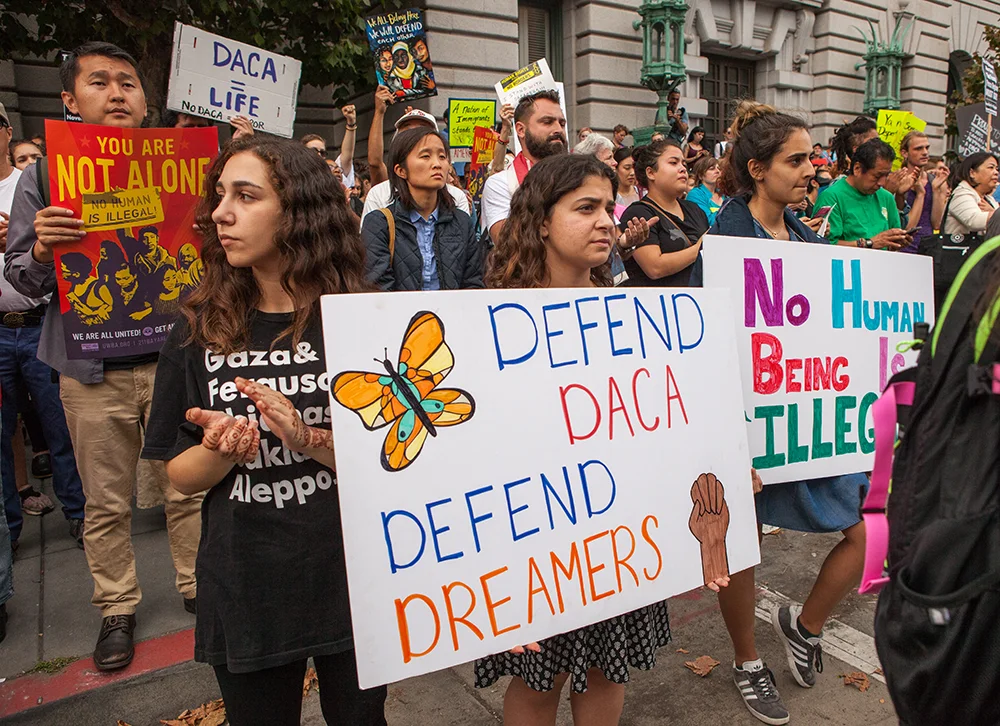
Deferred Action for Childhood Arrivals (DACA) was first implemented, allowing hundreds of thousands of young people who have called the United States home since childhood to receive temporary protection from deportation.

2017
—
2020
President Donald Trump, and his senior advisor Stephen Miller, radically restricted legal and illegal immigration with more than 400 policy changes. Most notable: three Muslim bans masked as “travel bans”; a policy of “zero tolerance” for asylum seekers at the southern border, which resulted in separating families in an attempt to deter people from arriving, the Remain in Mexico program (Migrant Protection Protocols or MPP); and Title 42.

2021
—
President Joe Biden began overturning some of Trump’s immigration policies.

2022
—
2025
As of October 2025, the federal government announced plans to resume processing initial DACA applications for the first time in over four years, following a halt in processing that began in approximately 2021. Under the proposed plan, individuals in states outside of Texas would again be eligible to apply and receive the full protections of DACA (deferred action + work authorization). Applicants in Texas would still be eligible for deportation protection under DACA, but may not receive work authorization under court-ordered limits. Existing DACA recipients remain able to renew their status and work permits under current rules.





FAQ
Narrative change is the strategic use of stories to transform how people see the world.
Unlike traditional toolkits or courses, StoryLab blends real research, data, and cultural strategy with creative storytelling practices. Each session connects users to real-world examples, media insights, and expert voices that shape today’s narratives.
No. StoryLab is built to meet you where you are. Whether you’re a student, creator, or seasoned media professional, you’ll find lessons and tools that fit your goals and level of experience.
Each module focuses on a different area of media and culture—from television and film to digital storytelling and advocacy. You’ll learn how to reach your audience, avoid common narrative pitfalls, and tell stories that inspire empathy and action.
Absolutely. Our materials are designed for content creators, educators, journalists, and advocates to use, teach, and share with others. Please credit Define American when citing or distributing StoryLab content.
StoryLab is powered by Define American’s original research, built on more than 15 years of leadership in narrative and media advocacy. Our studies analyze how immigrant stories are told—and how those stories shape culture, influence public perception, and drive social change.
We’ll release new modules, videos, and tools annually that reflect current research, cultural trends, and emerging storytelling practices.
Start by exploring our free resources, along with our Digital, Entertainment, Storytellers, and Across Platforms sessions.
Ready to go further? Consult with us to collaborate directly on your next project and apply narrative change strategies to your storytelling.